United Airlines Flight UA770 Emergency Diversion
United Airlines Flight UA770 Emergency Diversion: What Really Happened at 30,000 Feet?

Introduction
In the high-stakes world of aviation, unexpected situations can unfold in seconds. Such was the case with United Airlines Flight UA770, which recently experienced an emergency diversion that left passengers tense, anxious, and searching for answers. What caused the rapid change of plans? How did the crew respond? And what was happening inside the cabin at 30,000 feet?
This article breaks down the key moments of the incident, passenger reactions, and the wider implications for airline safety and communication.
Details of United Airlines Flight UA770
United Airlines Flight UA770 was traveling from Newark (EWR) to San Francisco (SFO) aboard a Boeing 767-300ER, a wide-body aircraft commonly used for long-haul routes.
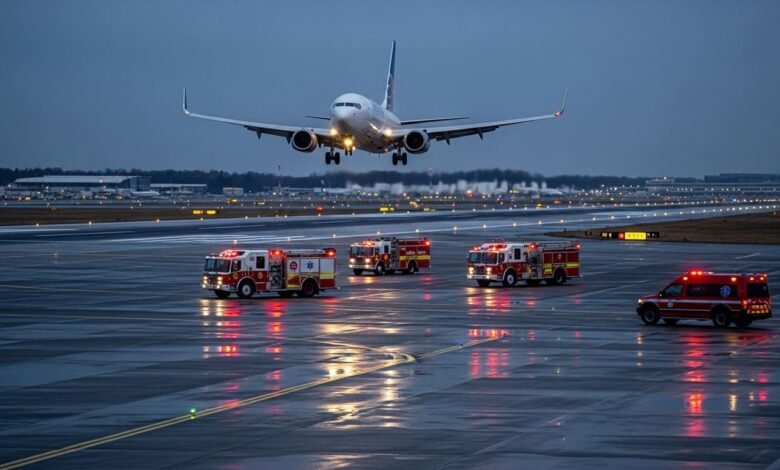
Passengers—ranging from families to business travelers—had settled in for a routine cross-country flight when the unexpected occurred. An alert inside the cockpit prompted the pilots to initiate emergency procedures. Within minutes, they informed air traffic control of their decision to divert to Denver International Airport (DEN).
Inside the cabin, uncertainty spread as passengers learned their flight was being rerouted for safety reasons.
Initial Reactions From Passengers and Crew
The shift from calm to concern happened quickly.
Some passengers remained composed, watching the crew for cues. Others felt the rising tension, gripping armrests and trading worried glances across the cabin.
The flight attendants acted swiftly and professionally:
-
They reassured passengers through calm, repeated instructions
-
They maintained communication while preparing for the diversion
-
They ensured safety procedures were followed throughout the descent
For many onboard, it was their first experience with an in-flight emergency, adding to the emotional intensity of the moment.
Investigation Into the Cause of the Diversion
As is standard with any emergency diversion, authorities launched an immediate investigation upon landing.
This process typically includes:
-
Reviewing flight data recorder and cockpit voice logs
-
Examining potential mechanical or technical issues
-
Interviewing the flight crew
-
Checking recent maintenance records
-
Considering medical emergencies, if applicable
Reports from passengers about unusual noises or sensations before the announcement led investigators to examine multiple possible causes.
While official findings can take time, each detail helps strengthen future safety protocols and prevent similar incidents.
Passenger Experiences During the Diversion
The emergency descent triggered a wide range of emotions:
-
Some passengers documented the moment on their phones
-
Others focused on comforting family members
-
Strangers exchanged reassurances and shared theories about the situation
-
Parents used humor or distraction to calm young children
Despite the fear, passengers repeatedly highlighted one theme: human connection. In the midst of uncertainty, people supported each other—an often unseen part of aviation emergencies.
Safety Protocols for In-Flight Emergencies
Incidents like UA770 serve as reminders of the extensive safety systems built into modern aviation.
Key protocols include:
-
Crew training: Flight attendants undergo rigorous and recurring emergency training
-
Passenger briefings: Instructions on seatbelts, oxygen masks, exits, etc.
-
Aircraft emergency equipment: Fire extinguishers, medical kits, slides, oxygen systems
-
Communication: Real-time contact with ground control and airline operations
-
Redundancy systems: Backup equipment to manage technical failures
These layers of preparation ensure that—even in unexpected moments—crews can respond effectively.
The Aftermath: Compensation and Airline Accountability
Following diversions, airlines typically evaluate:
-
Refunds or travel credits
-
Hotel accommodations, when required
-
Rescheduling assistance
-
Passenger communication improvements
Some UA770 passengers expressed frustration about limited post-incident communication. Clear, timely updates are essential for maintaining trust—especially when travelers are already stressed.
Airlines must balance regulatory requirements with transparent customer service to reassure passengers during and after emergencies.
Similar Aviation Incidents and Ongoing Safety Concerns
Emergency diversions are not uncommon and can result from:
-
Mechanical or technical anomalies
-
Medical emergencies
-
Severe weather
-
Smoke or unusual odors
-
Pressurization issues
While aviation remains statistically one of the safest modes of travel, each incident fuels ongoing discussions about:
-
Improving aircraft monitoring systems
-
Enhancing crew training
-
Increasing transparency with passengers during critical moments
-
Upgrading communication tools both on the ground and in the air
How Airlines Can Improve Emergency Communication
Airlines can reduce passenger anxiety during emergencies by:
1. Clear, timely cabin announcements
Frequent updates—even if brief—prevent speculation and fear.
2. Real-time digital notifications
Mobile alerts before boarding or during delays enhance preparedness.
3. Post-incident communication
Follow-up emails, explanations, and surveys help passengers understand what happened and how the airline plans to improve.
4. Enhanced crew training
Continuous training keeps responses sharp and consistent.
Conclusion
The emergency diversion of United Airlines Flight UA770 underscores the unpredictable nature of air travel and the importance of strong safety protocols. While the crew acted swiftly, the incident also highlighted the need for improved communication and transparency during in-flight emergencies.
Passenger stories reveal resilience, cooperation, and human connection—reminding us that even at 30,000 feet, we navigate uncertainty best when we face it together.
As investigations continue and airlines update their practices, incidents like UA770 play a critical role in shaping safer, more responsive aviation standards for all travelers.
FAQs
1. What happened on United Airlines Flight UA770?
United Airlines Flight UA770 experienced an unexpected in-flight issue that required an emergency diversion. The pilots decided to reroute the aircraft to Denver for safety reasons after receiving an alert in the cockpit.
2. Where was Flight UA770 originally headed?
The flight was traveling from Newark Liberty International Airport (EWR) to San Francisco International Airport (SFO).
3. Why did the aircraft divert to Denver?
The flight diverted due to an unspecified emergency situation. Investigations typically examine mechanical issues, medical emergencies, or other safety-related triggers.
4. What type of aircraft was used for Flight UA770?
Flight UA770 was operated using a Boeing 767-300ER, a long-range, wide-body aircraft often used for cross-country and international routes.
5. How did passengers react during the emergency?
Passengers reported feeling confused, anxious, and tense. Some remained calm while others panicked, but the cabin crew worked quickly to reassure and guide everyone through the diversion.
6. How did the cabin crew handle the situation?
The flight attendants followed standard emergency procedures, provided reassurance, delivered clear instructions, and maintained calm throughout the diversion.
7. Was anyone injured during the incident?
As of current reports, there were no injuries related to the emergency diversion. The aircraft landed safely in Denver.
8. What happens after an emergency diversion?
After an emergency landing, investigations are conducted to determine the cause. Airlines also assist passengers with rebooking, compensation, and communication regarding delays or disruptions.
9. Are emergency diversions common?
While not frequent, emergency diversions do occur for reasons such as medical emergencies, technical issues, or severe weather. Airlines and crews are trained extensively to handle such situations safely.
10. Will passengers receive compensation for the diversion?
Compensation varies depending on airline policy and the nature of the incident. Passengers may receive travel credits, refunds, or other support based on United Airlines’ assessment of the event.
11. Are airplanes equipped to handle emergencies like this?
Yes. Modern aircraft have advanced safety systems, backup mechanisms, and emergency equipment. Pilots and cabin crew are extensively trained to respond to in-flight emergencies.
12. What can passengers do during an in-flight emergency?
The best action is to stay seated, follow crew instructions, keep seatbelts fastened, and remain calm. Passengers should avoid speculation and rely on official information from the crew.
13. Will the FAA investigate the Flight UA770 incident?
The FAA typically reviews all emergency diversions to ensure regulatory compliance and to identify any safety concerns. Maintenance records, flight logs, and crew reports are part of this evaluation.
14. How does this incident impact United Airlines?
Events like this highlight areas where airlines can improve communication, emergency handling, and passenger care. United will likely assess the situation internally to enhance future safety protocols.