Introduction
An office chair is more than just a piece of furniture. It is one of the most important investments for anyone who spends long hours working at a desk. Whether you work from home, in a corporate office, or run your own business, the right office chair can improve comfort, productivity, posture, and overall well-being.
With modern professionals spending an average of 6 to 10 hours seated each day, choosing the right office chair has become essential rather than optional. This guide explores everything you need to know about office chairs, including their benefits, features, types, and buying considerations.
What Is an Office Chair?
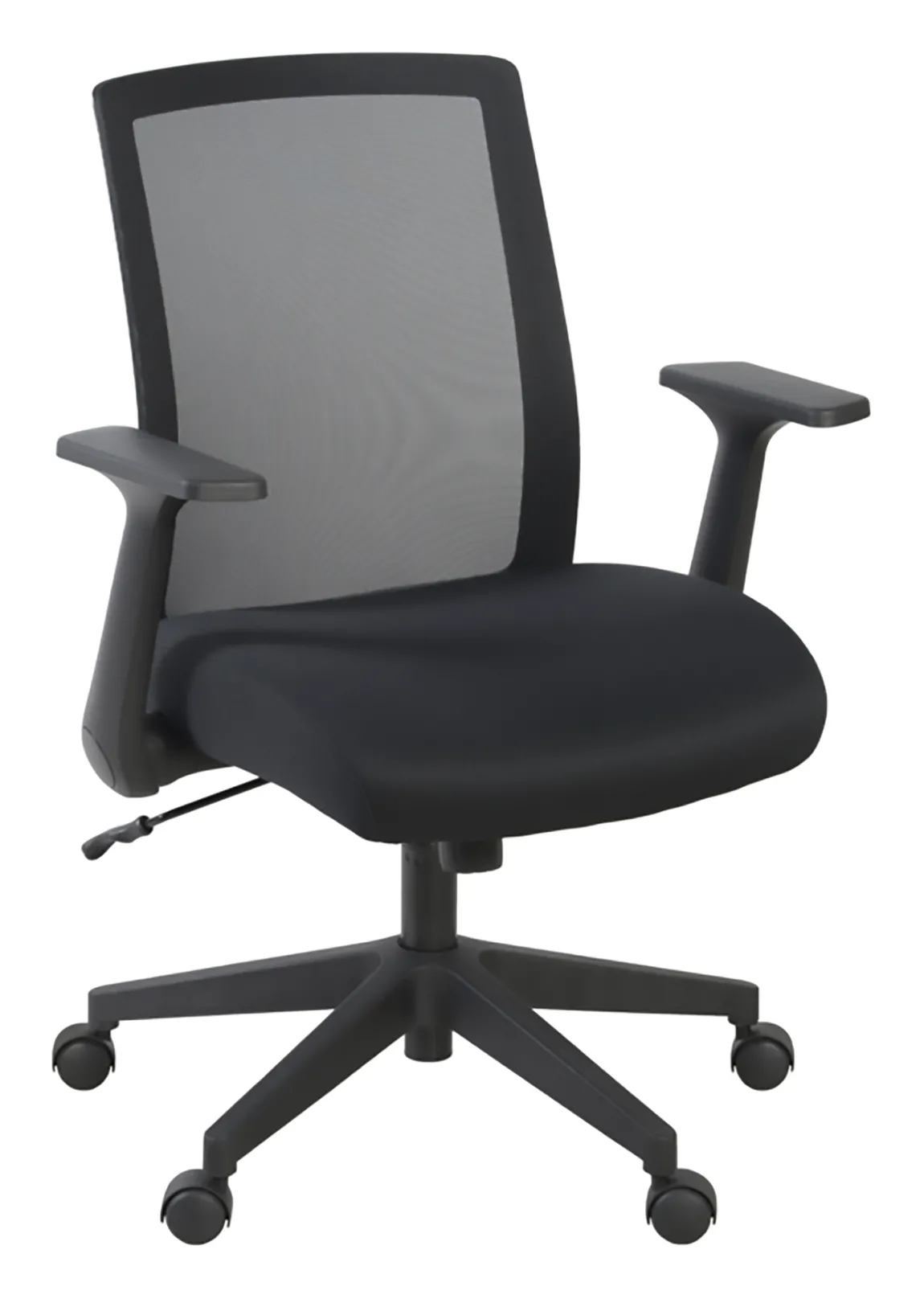
An office chair is a specially designed seating solution intended for desk work. Unlike standard household chairs, office chairs are built to provide ergonomic support, mobility, and adjustability to accommodate extended periods of sitting.
Most office chairs include features such as adjustable height, armrests, lumbar support, swivel functionality, and rolling casters for easy movement.
Why a Good Office Chair Matters
Improved Posture
A quality office chair supports the natural curve of the spine, helping users maintain proper posture throughout the workday. Poor posture can lead to neck strain, back pain, and muscle fatigue.
Increased Productivity
Comfort directly affects focus and efficiency. Employees who sit comfortably are less likely to experience distractions caused by discomfort or pain.
Reduced Risk of Health Problems
Extended sitting in poorly designed chairs can contribute to:
- Lower back pain
- Neck and shoulder tension
- Poor circulation
- Joint discomfort
- Repetitive strain injuries
Ergonomic office chairs help reduce these risks by supporting healthy sitting habits.
Better Workplace Satisfaction
Comfortable work environments contribute to employee satisfaction, engagement, and overall morale.
Key Features of a Modern Office Chair
Adjustable Seat Height
Users should be able to position their feet flat on the floor while keeping their knees at approximately a 90-degree angle.
Lumbar Support
Lumbar support helps maintain the natural inward curve of the lower back, reducing strain during prolonged sitting.
Adjustable Armrests
Armrests support the arms and shoulders, reducing tension in the upper body.
Seat Depth Adjustment
This feature allows users to position the seat correctly according to their leg length.
Reclining Function
A reclining backrest allows users to change positions throughout the day, reducing pressure on the spine.
Swivel Base
A 360-degree swivel helps users access different areas of their workspace without twisting their body.
Breathable Materials
Mesh backs and breathable fabrics improve airflow and help users stay comfortable during long working hours.
Types of Office Chairs
Ergonomic Office Chairs
Designed specifically to support healthy posture and comfort. These chairs offer extensive adjustment options and are ideal for professionals who spend long hours at a desk.
Executive Chairs
Executive chairs feature premium materials, larger designs, and enhanced cushioning. They are often used in managerial and executive offices.
Task Chairs
Task chairs are versatile and affordable options suitable for general office work. They typically offer basic ergonomic features.
Mesh Chairs
Mesh office chairs provide excellent airflow and are particularly popular in warmer climates or busy office environments.
Conference Room Chairs
These chairs are designed for meetings and shorter sitting periods, focusing on appearance and moderate comfort.
Gaming Chairs
Although designed for gaming, many users choose gaming chairs for office work due to their adjustable features and supportive designs.
How to Choose the Best Office Chair
Consider Your Daily Usage
If you sit for more than six hours daily, prioritize ergonomic features and adjustability.
Evaluate Your Workspace
Measure available space and ensure the chair fits comfortably within your desk setup.
Check Weight Capacity
Different office chairs support different weight ranges. Always verify manufacturer specifications.
Test Comfort Levels
Seat cushioning, back support, and armrest placement should feel comfortable for extended use.
Look for Warranty Coverage
A quality office chair often includes a warranty that reflects the manufacturer’s confidence in its durability.
Common Office Chair Materials
Mesh
- Breathable
- Lightweight
- Modern appearance
Fabric
- Soft and comfortable
- Available in various colors
- Affordable
Leather
- Professional appearance
- Easy to clean
- Premium feel
Faux Leather
- Cost-effective alternative to genuine leather
- Professional look
- Low maintenance
Office Chair Maintenance Tips
To extend the life of your office chair:
- Clean surfaces regularly
- Tighten screws and bolts periodically
- Lubricate moving parts when necessary
- Avoid exceeding weight limits
- Replace worn casters promptly
Proper maintenance helps preserve comfort, appearance, and functionality.
The Future of Office Chairs
As remote work continues to grow, office chair manufacturers are developing smarter and more ergonomic designs. Emerging trends include:
- Smart posture-monitoring technology
- Sustainable materials
- Enhanced customization options
- Hybrid work-friendly designs
- Advanced ergonomic engineering
These innovations aim to create healthier and more productive work environments.
Conclusion
An office chair is a critical component of any productive workspace. The right chair supports posture, enhances comfort, improves productivity, and contributes to long-term health. Whether you choose an ergonomic chair, executive model, task chair, or mesh design, investing in quality seating can make a significant difference in your daily work experience.